

More than 140 women-owned businesses supported. Over 200 jobs created. Seven in ten of those businesses still trading. Six years after it was launched, the Women Livelihood Programme - a collaboration between RCS and the Whitaker Peace & Development Initiative (WPDI), sponsored by L’Oreal - is showing what becomes possible when women entrepreneurs get support built around what they actually need.
The case for that support is well documented. The 2024 Global Entrepreneurship Monitor (GEM) South Africa report by Stellenbosch Business School, found that the business support offered to women entrepreneurs is too rarely designed around the specific challenges women face. This gap keeps South African women entrepreneurs from realising the contribution they could be making to growth and job creation.
The same research sets out why closing that gap matters so much. Women entrepreneurs tend to direct more of their earnings towards the health, education and wellbeing of their families and communities, and are more often motivated by the social impact of what they build. Investing in women's businesses pays out well beyond the business itself.
That is the gap the RCS & WPDI Women Livelihood Programme was built to close, and the numbers suggest it is working. More than seven in ten of the 140 businesses supported since 2020 are still trading today, and together they have created over 200 jobs. Alongside them, more than 2500 unemployed and vulnerable women and young people from Cape Flats communities have received free business and entrepreneurship skills training.
For RCS, this is not an incidental investment. Women make up 76% of the company’s own workforce and hold seven of its eleven senior executive roles. They also account for 58% of its customer base, many of them the main or only breadwinner in their household.
Nor is the Women Livelihood Programme RCS’s only investment in women-led enterprise. Through its support of the Small Enterprise Foundation (SEF), a non-profit that has worked to end extreme poverty since 1992, RCS backs a group lending model through which nearly six million loans have been disbursed to women building small businesses. In groups of five, women guarantee each other’s loans and support each other’s success. It is Ubuntu in action, and the results show in vibrant micro-enterprises and renewed economic participation across rural communities.
“We see the same thing in our own business that we see in these communities, which is that when women are given the right tools, everyone around them benefits,” says Sandi Richardson, Chief People Officer at RCS. “This Women’s Month, under the national theme of Building Resilient Economies for All, we are celebrating three women whose journeys show exactly what the right support makes possible.”
Bringing wellbeing to the community
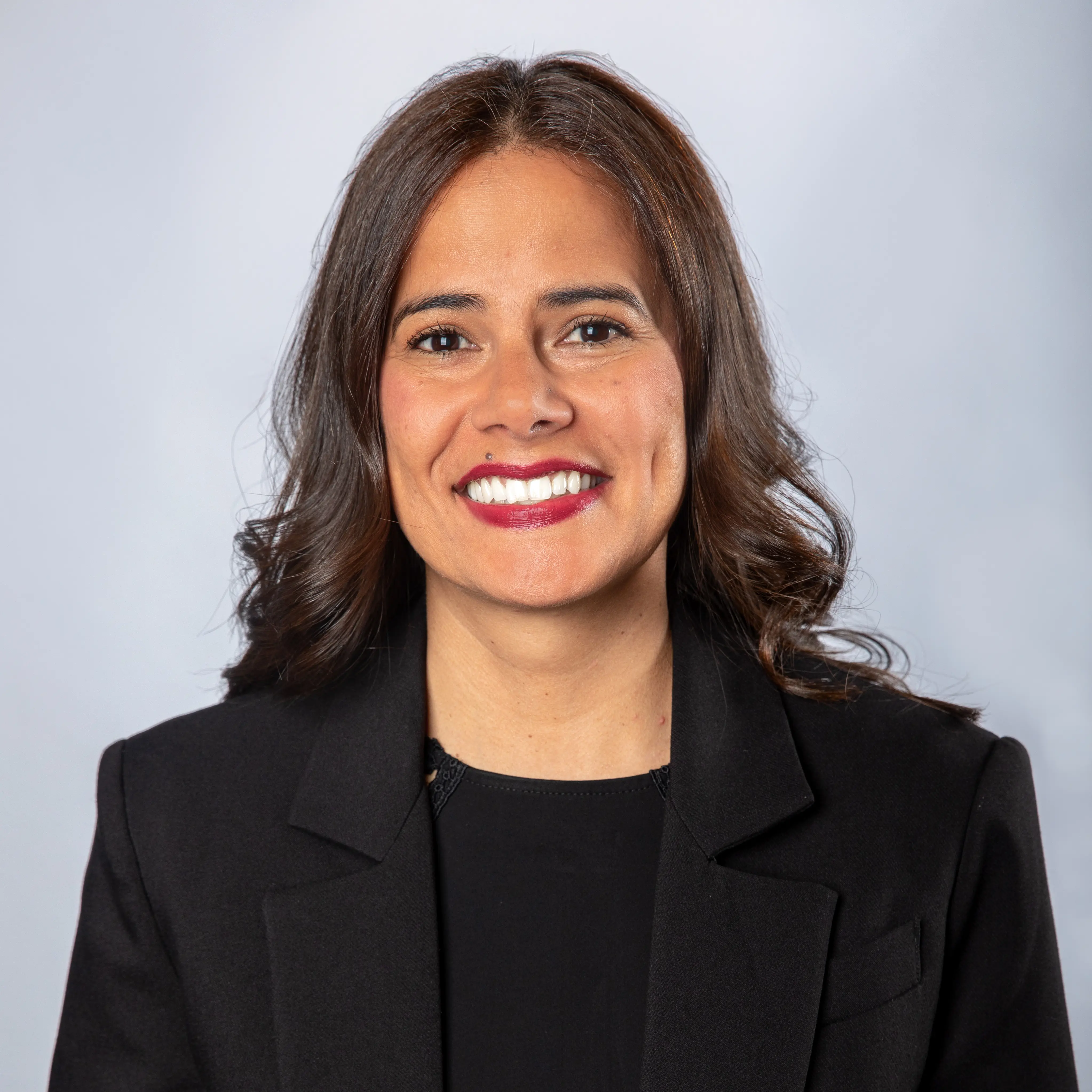
For Bongeka Qhanga, founder of Ubukho Institute, entrepreneurship has become a vehicle for making wellness more accessible. As a yoga teacher in Khayelitsha, she brings practices that support wellbeing and resilience to people who might not otherwise reach them, while building a sustainable business with a clear social purpose. It has not been an easy road. Introducing yoga in her community often meant navigating misconceptions about the practice, but she stayed committed to building something meaningful with the resources she had.
The Women’s Programme helped her formalise and grow the business through training, equipment and a business plan, and prompted her to start hosting annual sponsored wellness events for women.
“The programme gave me the confidence, support and practical tools I needed to grow my business,” says Qhanga. “It helped me become more structured and intentional in how I work, while also inspiring me to give back to my community. Through this support, I have been able to reach more women and create opportunities that help them feel the benefits of yoga.”
Turning waste into opportunity
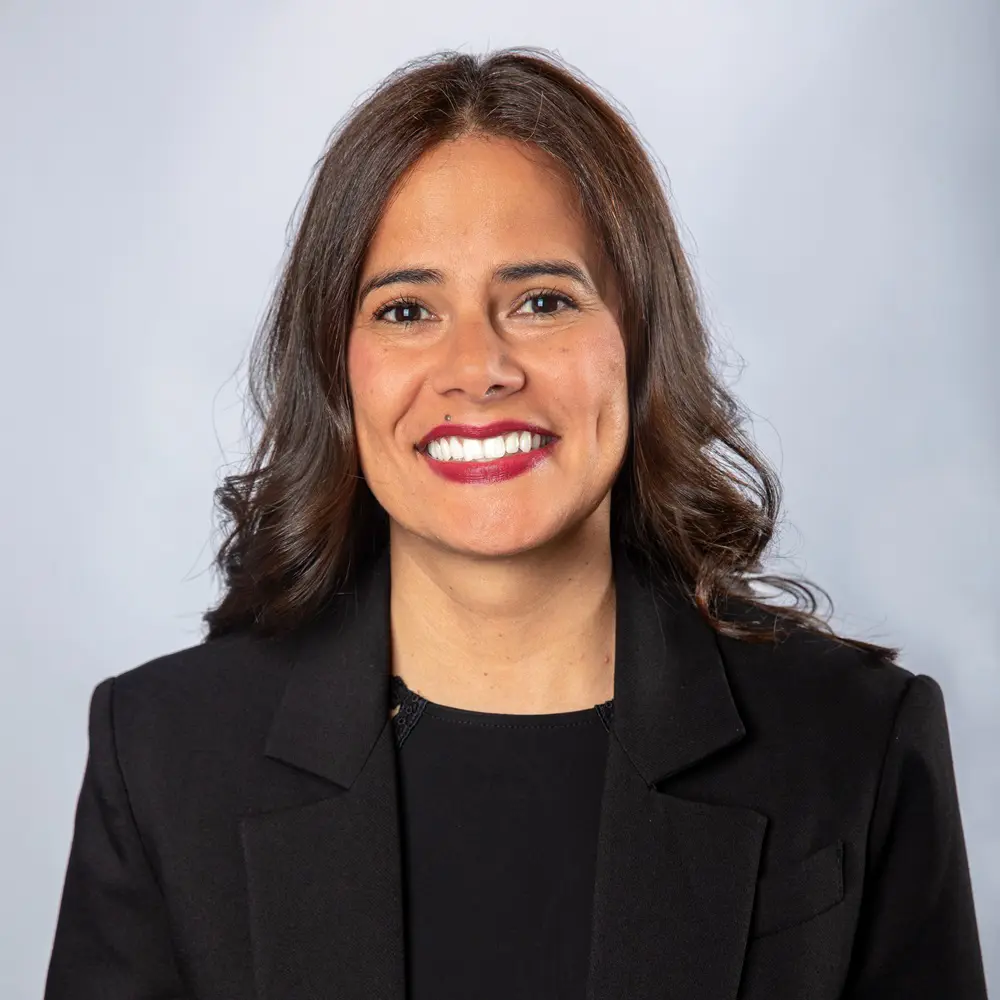
Rashieda Panday, founder of Seconds for Good, is proving that entrepreneurship can create environmental and economic impact at the same time. What began as a yard sale in 2018 has grown into a social enterprise that gives pre-loved clothing a second life, reducing waste while creating opportunities for others.
Her route into business was shaped at home. Having grown up with a mother living with a disability, she wanted work that kept her close to family while building a sustainable livelihood. When the Covid-19 pandemic hit, the weekly yard sale became her family’s primary source of income. Joining the WPDI Women’s Programme around the same time gave her the chance to pitch her business, share her story and grow in confidence as an owner.
“Being a woman in business means you need the confidence to be seen and taken seriously,” says Panday. “The programme gave me countless opportunities to pitch my business, share what I was building and gain confidence in the impact we were creating.”
Beyond the environmental side of the business, Panday is proudest of the resilience that has carried it through lean stretches.
“There have been many days where the shop made no money, but we still felt rich because we had a community around us and the opportunity to build something meaningful together,” she says.
A year on, one food trailer becomes two
When RCS last spoke to Tamryn Pereria founder of Café Z Cuba in Ravensmead, she described what the programme had taught her about managing and tracking her business finances. A year later, that grounding has turned one food trailer into two.
The second trailer was a planned step rather than a leap, worked out on paper before she committed, with a loyal customer base behind her and financial and leadership training to draw on.
“That leap took real support, and RCS and the WPDI backed me. They gave me the tools and the confidence to run this properly, not just scrape by,” Pereria says.
“Now, watching people come back again and again, there is no feeling like it. This is mine, and I built it.”
The journeys of these three women point to the same conclusion. Access to skills development, mentorship, funding and a network of people invested in your success does more than keep a business open. It creates employment, steadies households and builds the kind of local economic activity that a resilient economy is actually made of.
“Seven in ten of these businesses are still trading, and that is not luck,” Richardson concludes. “It is what happens when funding, training and people who want you to succeed all arrive together. No single organisation builds a resilient economy on its own, but every one of us can choose who we back.”