

This year’s Heritage Month asks South Africans to “Reimagine our heritage institutions for a new era”, placing museums and the people who run them at the centre of how the country keeps its memory. Alongside those custodians sits another group: the women, artisans, traders and makers who carry skills forward by teaching them to the next person.
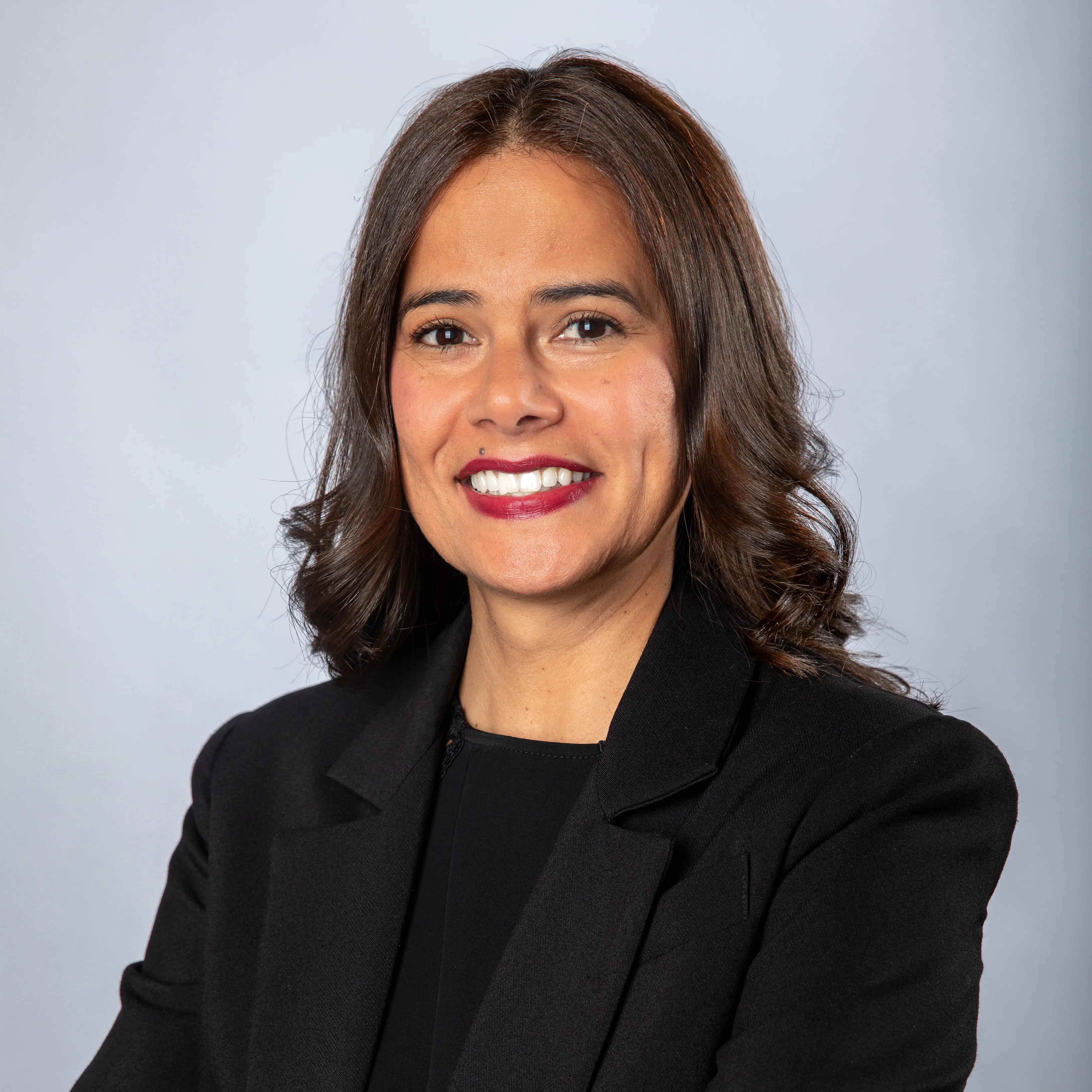
“Across South Africa, heritage lives in kitchens, classrooms, community centres and small businesses,” says Sandi Richardson, Chief People Officer at consumer finance provider RCS. “It survives because someone takes the time to teach a recipe, demonstrate a craft, explain a process or create an opportunity for someone else to learn.”
As an employer, RCS sees the same principle at work every day. “We are often the first employer for young people entering the workforce straight after school,” Richardson says. “Many have real potential but did not have the chance to study further. We upskill people in their first job and then keep supporting them through bursaries, further education and ongoing learning programmes.”
That support includes a partnership with TSIBA Business School, through which employees can earn a qualification in scarce skill areas such as IT and data science while they continue to work. RCS also places interns in scarce skill fields including cyber security, which has widened the pool of talent the business can draw on.
“We know the value of someone’s knowledge of our business,” Richardson says. “We have people who started in our contact centre and have since moved into finance, human resources, IT and leadership roles.”
Ashton Plaatjies now works as a Brand Marketing Intern, having started out in telemarketing. “I started my journey at RCS in telemarketing, where I developed my confidence, communication skills and understanding of our customers and business,” he says. “RCS has since given me the opportunity to grow into brand marketing, where I am learning new skills and doing things I never thought I would be able to do when I started.”
Zainub Toyer has moved from organisational psychology intern to HR Business Partner in three and a half years. “RCS made it possible for me to complete my organisational psychology internship and funded my HPCSA board exam and annual registration fees, which is how I came to register as an Organisational Psychologist,” she says. “Guidance from my HR leaders and exposure to a wide range of challenges and senior stakeholders have built my confidence, professionally and personally, and deepened my expertise.”
Sifa Djuma joined as a Risk Intern in January 2024 and today works as a Risk Analyst. “My manager has played a key role in my growth by giving me opportunities to build complex analytical models and take ownership of meaningful work,” she says. “Through the support and encouragement of our Chief Risk Officer I successfully applied for an RCS bursary and am now pursuing a master’s degree in data science at the University of Cape Town.”
The same thinking applies to skills that evolving so rapidly. Through parent company BNP Paribas, RCS gives every employee access to bite sized online learning in digital and artificial intelligence literacy, with deeper specialist programmes for those who need them. “Whether you work at our reception desk or sit in our boardroom, you need to keep progressing your digital and AI literacy,” Richardson says. “That is not a specialist conversation any more. It belongs to everybody.”
The principle carries into the community as well. Through its partnership with the Small Enterprise Foundation (SEF), RCS supports women entrepreneurs and small business owners across South Africa. Alongside access to finance, the foundation provides practical business education, and Richardson notes that it is this transfer of knowledge that helps enterprises grow and stay sustainable.
“Experience and knowledge are powerful assets,” she says. “When people share what they know, they create opportunity not only for one person, but often for a whole family and community.”
For Richardson, this is personal. She describes herself as fortunate to have had mentors and role models who gave her exposure and believed in her ability before she believed in it herself. “They opened opportunities for me, so I was able to try things outside my comfort zone knowing I had a safety net,” she says. “Knowing that someone believed in me made all the difference.”
“Do not underestimate the power of giving someone an opportunity,” she adds. “We know that talent in this country is everywhere. Opportunity is not. You can be the person who creates a platform for somebody else.”
Four ways to pass your skills forward this Heritage Month
Sandi Richardson’s suggestions for readers
- Teach one person one thing. Choose the skill you know best, whether that is baking, beadwork, budgeting, fixing a car or building a spreadsheet, and teach it properly to one person.
- Make room for a learner. If you run a business or work in a trade, let someone shadow you for a day. Many skills are learned by standing next to someone who already knows how.
- Record it before it fades. Video a method on your phone, voice note a recipe or write down the measurements that only live in somebody’s head.
- Ask someone to teach you. Knowledge is passed on when somebody asks for it. Sit with a person in your family or community who knows something you do not and ask them to show you.
“For young people starting out especially, I would encourage them to have the confidence to ask for help,” Richardson concludes. “You would be surprised how much people know and how willing they are to assist. Sometimes all you need is one yes to change your trajectory.”